Every child develops at a different pace, and parents often wonder when the right time is to begin dance training. A child's coordination, attention span, confidence, and enthusiasm all help determine which class environment will provide the best experience.
Ahead, we'll explore the signs of dance readiness and explain how each program supports different ages, goals, and levels of commitment.
Why Dance Readiness Matters
Every child is unique, but several common signs often indicate readiness for structured dance instruction.
They Enjoy Music and Movement
Children who naturally move to music often respond well to dance classes. They may sway, spin, jump, clap, or create their own routines at home. This enthusiasm demonstrates comfort with movement and rhythm.
They Can Participate in a Group Environment
Dance classes involve listening to instructors, following directions, taking turns, and participating with peers. Children who can comfortably engage in preschool activities, story time, or beginner sports classes often transition well into dance.
They Can Follow Simple Instructions
Beginning dance students benefit from understanding basic directions such as standing in line, waiting for a turn, and listening when the teacher speaks. Children develop these skills gradually. Strong dance instructors know how to make instruction engaging and age appropriate.
They Are Developing Physical Coordination
Dance classes support coordination development, but some foundational motor skills help children succeed in a class environment. Children who enjoy jumping, balancing, running, skipping, or creative play often adapt well to beginner movement instruction.
Understanding the Different Programs at Burbank Dance Academy

One of the most important parts of choosing a dance class is selecting the right training environment for your child's age, goals, and personality. Burbank Dance Academy offers three distinct programs designed for different stages of development and commitment.
Pre-Ballet Classes
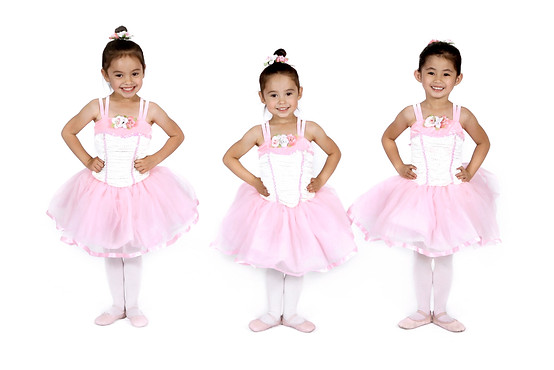
Pre-Ballet classes introduce youngsters to the foundations of movement, musicality, coordination, and classroom structure in an encouraging environment. These classes are ideal for younger children who are beginning their dance journey and learning how to participate in structured group activities.
What Children Learn in Pre-Ballet
Pre-ballet classes focus on:
- Basic ballet positions
- Musical awareness
- Coordination development
- Creative movement
- Balance and posture
- Listening and classroom etiquette
Instruction remains engaging and age appropriate while gradually introducing foundational ballet concepts.
Signs Your Child Is Ready for Pre-Ballet
Pre-ballet may be a great fit if your child:
- Loves music and movement
- Can participate in short structured activities
- Shows curiosity about dancing
- Is beginning to follow teacher instructions independently
Many young dancers start here before progressing into more structured ballet training.
Dance Academy Program
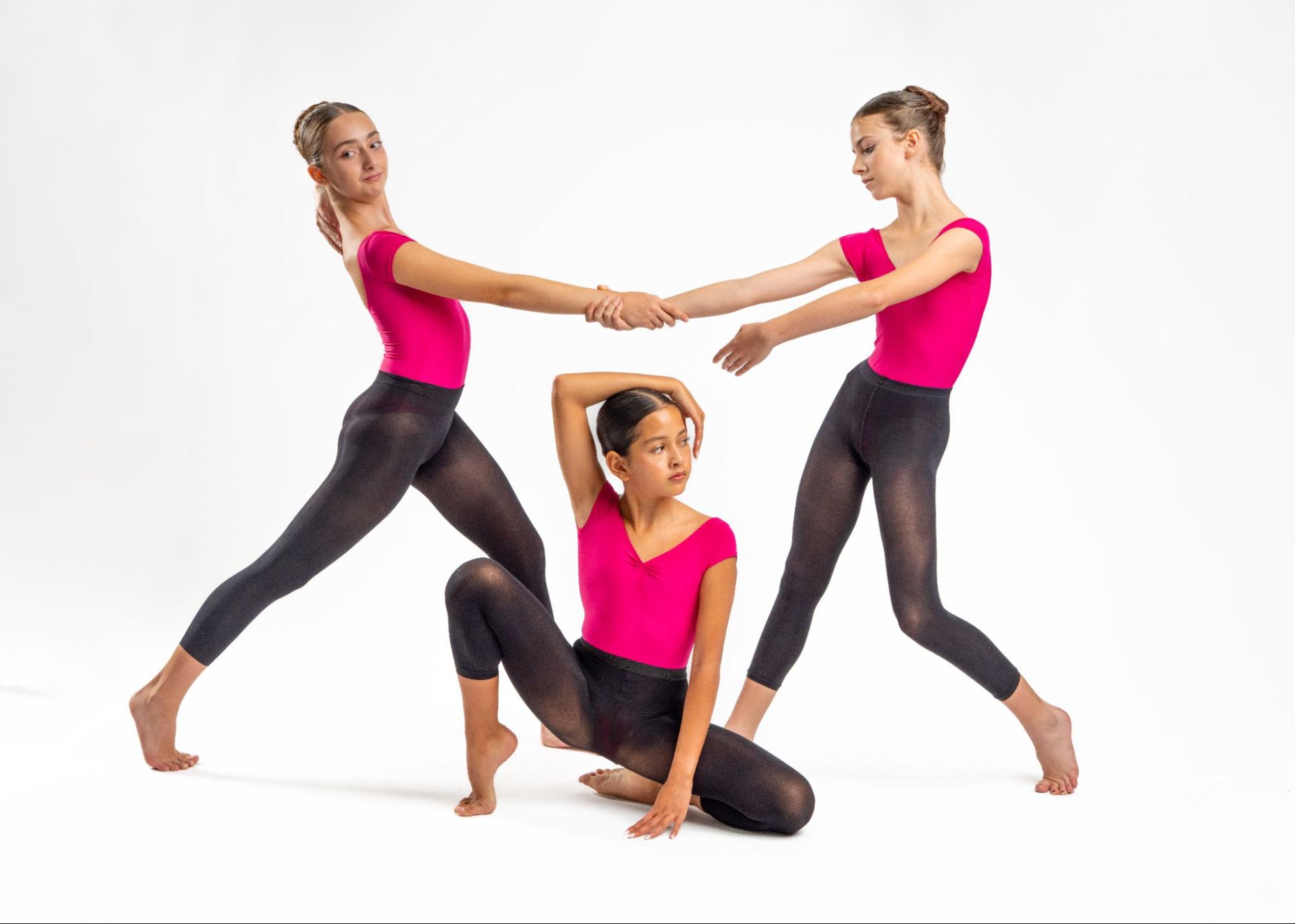
The Academy program offers students the opportunity to explore multiple dance styles while building strong technical skills in a supportive and energetic environment. This program works well for students who want structured training while balancing other activities, academics, and interests.
Dance Styles Offered
Students in the program may train in styles such as:
- Ballet
- Jazz
- Contemporary
- Tap
- Hip-Hop
- Additional performance-based classes
This variety allows dancers to discover which styles they enjoy most while continuing to improve coordination, strength, flexibility, and confidence.
Signs Your Child Is Ready for the Academy Program
The Academy program may be a strong fit if your child:
- Enjoys performing and learning choreography
- Wants to try multiple different styles
- Thrives in social group environments
- Can focus through longer class periods
- Shows excitement about regular weekly training
This pathway supports dancers who want quality instruction and artistic growth without the intensive commitment of pre-professional ballet training.
Étoile Classical Ballet Academy
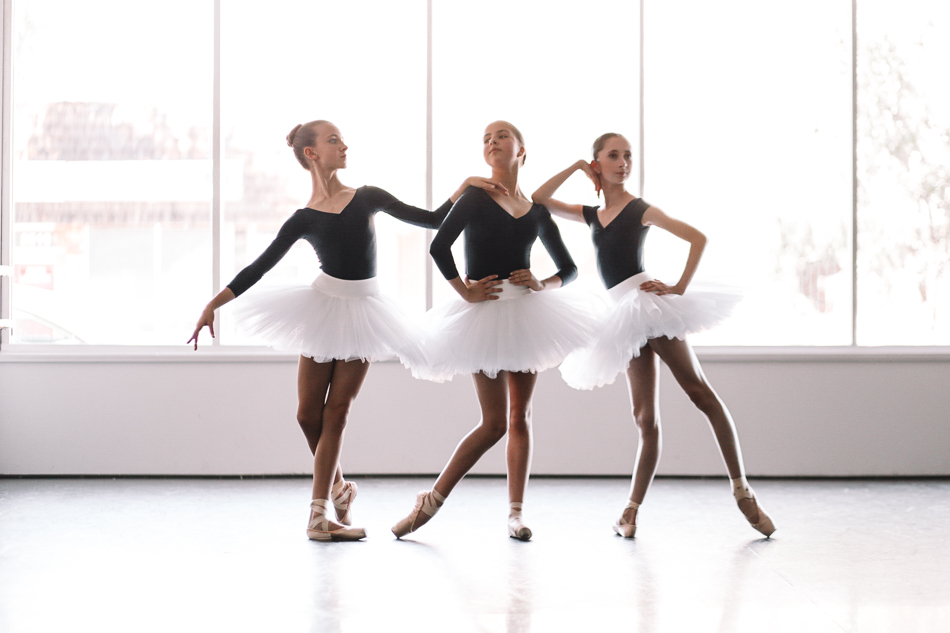
The Étoile classical ballet academy is designed for students pursuing serious classical ballet training in a rigorous and highly structured environment. This program emphasizes strong technical foundations, discipline, artistry, and long-term ballet development.
What Makes Classical Ballet Training Different
Classical ballet requires consistent technical instruction, precision, strength, musicality, and focus. Students train progressively through carefully structured curriculum levels that build proper alignment and technique over time.
Signs Your Child May Be Ready for Intensive Ballet Training
The Étoile classical ballet academy may be appropriate for students who:
- Demonstrate strong focus and dedication
- Show sustained enthusiasm for ballet specifically
- Enjoy practicing skills consistently
- Thrive in structured environments
- Express long-term interest in ballet development
Some dancers begin in recreational programs before transitioning into more intensive ballet training as their interest and commitment grow.
Questions Parents Should Ask Before Enrolling
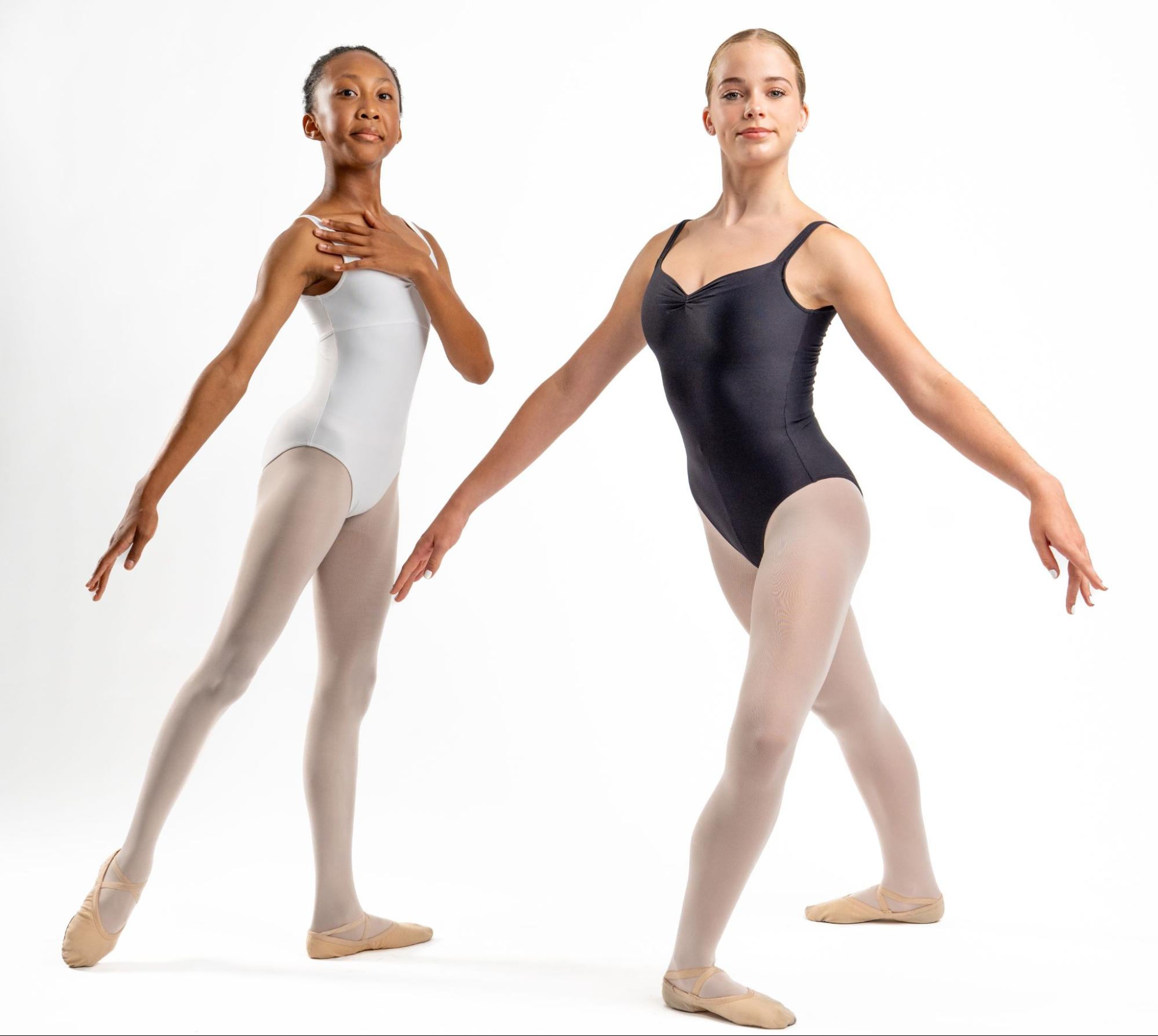
Parents evaluating training programs should consider several important questions.
What is my child hoping to experience?
Some children simply want a fun, creative outlet and social activity. Others become deeply passionate about ballet and seek more focused training. Understanding your child's interests helps determine which program will provide the best experience.
How does my child respond to structure?
Children who enjoy routines and focused instruction may thrive in more structured training environments. Students who are newer to organized activities may benefit from beginner-level structured dance programs for young children that gradually build classroom confidence.
Does my child enjoy consistent practice and routine?
Dance training improves through repetition and consistency. Children who enjoy practicing movement skills often progress confidently over time.
Burbank Dance Academy Dance Classes
Determining if your child is ready for dance classes involves more than age alone. Emotional readiness, curiosity, coordination, independence, and enthusiasm all contribute to a successful experience.
Burbank Dance Academy's three training pathways allow families to choose the environment that best fits their dancer:
- Pre-Ballet classes for young beginners building foundational skills
- The Academy program for students exploring multiple dance styles
- The Étoile classical ballet academy for dedicated classical ballet training
With supportive instruction and proper guidance, dance can become a powerful outlet for creativity, discipline, confidence, and artistic growth.
Ready to start your dancer's journey?
Explore our programs or reach out for a placement consultation.
Related reading

The Benefits of Small Class Sizes in Dance Training
Elevate technique, confidence, and artistry through personalized dance training in small class environments designed for long-term growth.

How Does Dance Build Confidence, Discipline, and Focus in Children?
Dance develops the mind, body, and character together — building authentic confidence, lasting discipline, and the focus to thrive far beyond the studio.

Why the First Ballet Class Matters More Than You Think
Those early ballet experiences can shape a dancer's entire journey. The first class becomes the foundation for confidence, discipline, and artistic excellence.